

In the modern world, people get bored with their regular routine really easily, so practicing adventurous activities is important. Adventure activities are really fun, but maintaining yourself during active vacations can be a difficult thing to do.
We are here looking at promising haircuts for adventurous summer vacations and look great. If you are curious about looking great at your vacation and maintain your healthy hair, do consider reading until the end.
Good haircuts and styles for active vacation!
When choosing a hairstyle for summer traveling, you must be considerate regarding atmospheric conditions and regions you are traveling to as it will help you to narrower options of hairstyles.
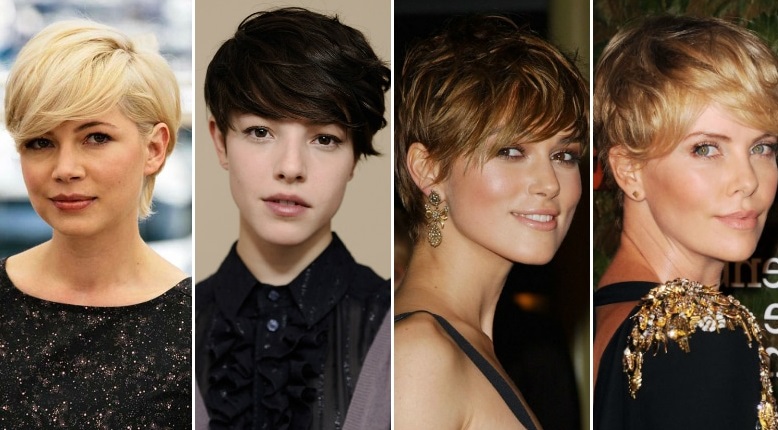
Pixie cut with bangs
Pixie cut is one of the most favorable haircuts to modern times that look bold and cute at the same time. It is perfect for you to choose for a pixie cut that makes your hair short and makes your facial feature noticeable. There are several options in pixie haircut only that would make your hair look impressive and maintain it well.
A-line bob haircut
It is good to choose short shag haircuts for an active vacation that is easy to maintain and will make you look great. Bob’s haircuts never go out of style; instead, they are in trend always and make people choose it more often. A-line bob haircut suits different shaped faces, so consider choosing one precisely.
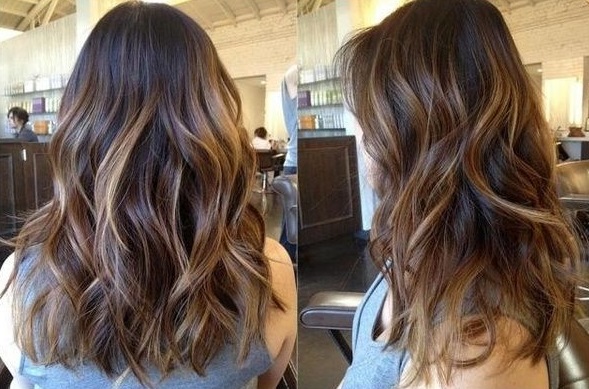
Layers with long bob
If you are fond of long hairs but also want the convenience to maintain hair, then layers with long bob can be your legit choice. It is perfect for you to add layers with a long bob that is easy to style into the pony, half tie-up, and several other hairstyles. You can color your hair into trendy hair colors as it makes hair look more impressive.
Long and layered haircuts
For medium and long length hair, long and layered haircuts are ideal as they fit into style really well and give a pleasing look to your face. To enhance the look of your hair, you can even consider adding highlights or get balayage on hair to get a natural sun- kissed hair look that looks flawless to one.
All of the above-mentioned steps are really great in making your hair look great and maintaining them well altogether. Consider getting these haircuts from professionals as they would style better for you, and you can also learn tips for maintaining it really well.